
What Is Etiquette? Proper Etiquette Rules and Examples
Etiquette is the set of polite rules and customs that guide how people behave toward one another in social, work, and public settings. Proper etiquette means using those rules with consideration and respect, so people feel comfortable, welcome, and valued. It is not about being formal or stiff. It is about making everyday interactions smoother and kinder.
What Is Etiquette in Simple Words?
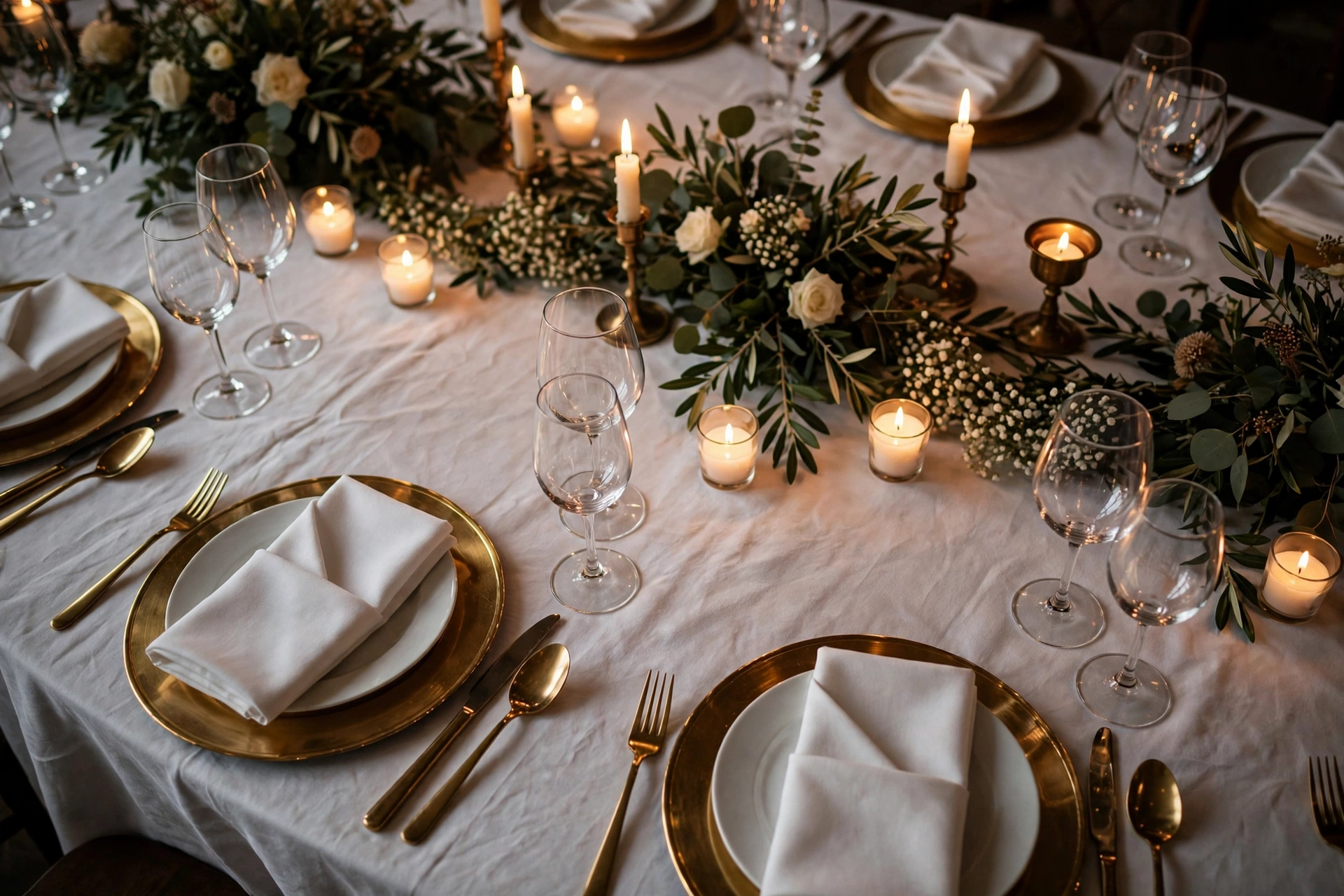
In simple words, etiquette is knowing how to behave politely in a given situation. It covers how we greet people, speak, listen, eat, dress, and write messages. The definition of etiquette is straightforward: it is the accepted code of behavior for polite society.
The word comes from the French word étiquette, meaning “label” or “tag,” and in modern English use it dates from 1750.
Experts say etiquette is not a list of stiff, old-fashioned rules. Standard practice is to treat it as a shared guide that helps people avoid awkward moments and show respect.
Why Is Etiquette Important?

Etiquette matters because first impressions form quickly, and small actions send clear signals. A warm greeting, a thank-you, or a phone put away during a conversation can show that you value the other person.
Good etiquette also prevents misunderstandings. When everyone follows the same basic expectations, people spend less time worrying about what to do and more time enjoying the meeting, meal, or conversation.
What Are the Basic Rules of Proper Etiquette?

Proper etiquette rests on a few habits that work in almost every setting. The Emily Post Institute sums up its approach in three principles: consideration, respect, and honesty. Those ideas sit behind the rules below.
- Greet people warmly, use their name when you know it, and introduce yourself clearly.
- Listen fully before you reply, and do not interrupt.
- Say please, thank you, and sorry when they are due.
- Be on time, or let people know early if you will be late.
- Respect personal space, privacy, and other people’s time.
- Put your phone away when someone is speaking to you.
These are the basic rules of etiquette in one sentence: be considerate, be honest, and treat other people the way you would like to be treated.
What Are Some Examples of Good Etiquette?

Etiquette examples are easiest to understand in real situations. In greetings, good etiquette means a smile, eye contact, and a clear introduction. At the table, it means waiting until everyone is served and keeping your phone off the table.
At work, it means arriving on time, answering messages promptly, and giving credit to colleagues. Online, it means using a polite tone and checking before you send.
Meeting someone new: Stand, smile, and say your name clearly. Listen to the other person’s name and use it once in the conversation.
A work lunch: Arrive on time, keep your phone in your pocket, and order something easy to eat. Thank the host at the end and follow up with a short thank-you message.
A polite email or message: Use a clear subject line, greet the person by name, and keep the message short and polite. For longer guidance, see our email etiquette guide.
Good Manners vs Etiquette: What Is the Difference?

People often use the two words as if they mean the same thing, but there is a useful difference. Good manners are the kind habits behind your behavior. Etiquette is the agreed set of rules for a particular setting.
| Good manners | Etiquette |
|---|---|
| Personal habits, such as saying thank you | Shared rules for a setting, such as a dinner |
| Come from character and upbringing | Come from social custom and standard practice |
| Stay mostly the same everywhere | Can change by place, culture, and occasion |
| Show kindness and consideration | Show that you know what is expected here |
In short, manners are who you are. Etiquette is how you apply that kindness in a specific situation.
What Are Common Etiquette Mistakes to Avoid?

Most etiquette mistakes are small, but they are easy to notice. The fix is usually simple: slow down, pay attention, and put the other person first.
Do:
- Arrive on time and tell people if you are running late.
- Listen more than you speak.
- Thank people promptly, in person or in writing.
- Keep your voice and phone use respectful in shared spaces.
Do not:
- Interrupt, talk over people, or check your phone mid-conversation.
- Arrive late without a message.
- Use a loud or sarcastic tone in emails and group chats.
- Correct other people’s manners in public.
How Does Etiquette Change in Different Situations?

At home, etiquette is mostly about respect and shared routines: knocking before entering a room, cleaning up after yourself, and listening when family members speak.
In the office, etiquette is more formal. It includes arriving on time, dressing to the workplace standard, and writing clear, polite messages.
At social events, etiquette means greeting the host, introducing yourself to new people, and thanking the host before you leave. The setting changes, but the core stays the same: consideration, respect, and honesty.
How Can I Improve My Etiquette?

Improving your etiquette is a habit, not a test. Start with one change at a time, practice it until it feels natural, and then add another.
- Observe the setting before you act, and follow the host’s lead.
- Ask for feedback from a trusted friend or colleague.
- Read a trusted guide, such as the Emily Post Institute or Debrett’s.
- Practice introductions, thank-you notes, and polite emails until they feel easy.
If you want structured help, our guide to etiquette classes explains what they teach and how to choose one.
Frequently Asked Questions About Etiquette

What is the difference between etiquette and manners?
Etiquette is the shared set of rules for a setting, such as a dinner or a meeting. Manners are the personal habits behind your behavior, such as saying please and thank you.
What are examples of good etiquette?
Good etiquette includes greeting people warmly, listening without interrupting, arriving on time, using polite language, and thanking people promptly.
Is etiquette still important today?
Yes. Etiquette still matters because it helps people feel respected and comfortable, in person and online. The rules change, but the need for consideration does not.
What are the basic rules of etiquette?
The basic rules are to greet people warmly, listen fully, say please and thank you, be on time, and respect personal space.
How can I improve my etiquette?
Start with one habit at a time, such as listening fully or arriving on time. Read a trusted guide and ask a trusted friend for honest feedback.
What is proper etiquette at work?
Proper etiquette at work means arriving on time, answering messages promptly, keeping meetings focused, and writing clear, polite emails.
Is etiquette the same in every country?
No. Greetings, dining customs, and ideas about punctuality vary by country and culture. When you visit a new place, learn its basic customs first and follow the host’s lead.